

10 Outdoor Room Design Ideas That Last
- Amber Creek Design

- Jun 9
- 6 min read
A backyard usually tells the truth. You can see it in the patio set that never quite gets used, the patch of lawn everyone walks around, or the grill parked in a corner with no real place to gather. The best outdoor room design ideas start by changing that pattern. Instead of treating the yard as leftover space, they shape it into a place that supports real life - slow mornings, family dinners, milestone celebrations, and quiet evenings under the lights.
For Colorado homeowners, that shift matters even more. Our outdoor season is generous, but it is not one-size-fits-all. Bright sun, cool nights, wind exposure, and changing elevations all influence what feels comfortable and what actually gets used. A beautiful space is only successful if it works for the way you live.
Outdoor room design ideas that feel like part of the home
The strongest outdoor spaces do not feel tacked on. They feel connected to the architecture, the landscape, and the routines of the people who use them. That usually means thinking beyond a single patio or deck and instead designing zones with a clear purpose.
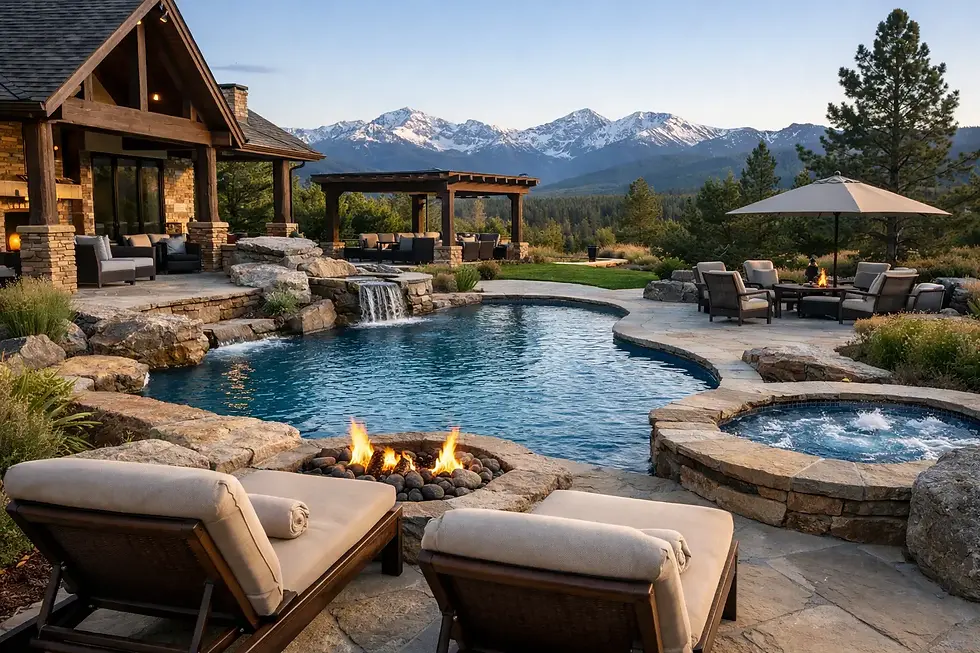
One of the most effective ideas is to create an outdoor living room first, then let everything else radiate from it. This becomes the visual and social anchor of the yard. Comfortable seating, a defined floor surface, layered lighting, and a focal point such as a fire feature or water element give the space the same sense of intention you would expect indoors. When the proportions are right, the backyard starts to feel settled rather than scattered.
Materials matter here. A premium paver patio, natural stone terrace, or custom deck should feel in conversation with the home, not in competition with it. Colors, textures, and lines should echo what is already there so the transition from inside to outside feels natural. That is often the difference between a project that simply adds square footage and one that changes how the home is experienced.
Start with how you want to live outside
Good design usually begins with a more personal question than homeowners expect. Not what do you want to build, but how do you want to spend your time?
If your favorite evenings involve lingering over dinner with friends, your space should prioritize a generous dining area with easy circulation, nearby prep space, and lighting that keeps the mood warm after sunset. If your weekends revolve around family time, the layout might need a lounge zone for adults, open space for children, and a visual connection that keeps everyone together even while doing different things.
This is where many backyards fall short. They include individual features without a larger plan. A grill goes in one spot, a seating set lands somewhere else, and a pathway is added later. Nothing is technically wrong, but the space never quite feels effortless. Intentional outdoor rooms solve that by giving each area a role while making the entire yard flow as one experience.
1. Build an outdoor living room with a true focal point
A defined lounge space often does the most to change everyday use. It gives people a reason to step outside even when they are not hosting. A fire pit, fireplace, or water feature can serve as the visual center, depending on the mood you want. Fire tends to draw conversation and extend the season. Water creates a quieter, more restorative atmosphere.
The trade-off is space and maintenance. A fireplace feels architectural and substantial, but it asks for more room and a larger budget. A fire pit is more flexible and social. A pond or fountain introduces movement and sound, but it should be designed carefully so it feels integrated rather than ornamental.
2. Create a dining room outdoors, not just a place for a table
Many homeowners technically have outdoor dining space, but it is exposed, undersized, or too far from the kitchen to be convenient. A better approach is to treat the dining area as its own room. That means enough space for chairs to move comfortably, a sense of enclosure, and some relationship to cooking and serving.
Shade becomes especially important here. In Boulder County, afternoon sun can make a dining area far less inviting than it looked on paper. Pergolas, overhead structures, or strategic tree placement can soften the heat and define the room without making it feel closed in.
3. Design an outdoor kitchen around how you actually entertain
An outdoor kitchen is one of the most requested upgrades because it changes the rhythm of gathering. The host stays part of the conversation. Meals feel less rushed. Even a simple weeknight dinner becomes more enjoyable when cooking happens where everyone already wants to be.
The key is resisting the temptation to overbuild. Some homeowners need a complete kitchen with refrigeration, storage, and generous prep space. Others will use a grill station and serving counter far more often. The right answer depends on how frequently you entertain, how elaborate your meals tend to be, and how close the indoor kitchen is to the yard.
When designed well, an outdoor kitchen should feel embedded in the broader space, not like a standalone appliance wall. It should support the living room and dining room around it.
4. Use elevation changes to create distinct rooms
Not every backyard is flat, and in Colorado that is often an advantage. Grade changes can help define separate outdoor rooms without relying on heavy barriers. A raised deck can become a morning coffee perch. A lower patio can serve as the main entertaining terrace. Steps and retaining elements can create movement and make the yard feel more expansive.
This approach requires careful planning. Changes in level should feel graceful and safe, especially for families and evening use. But when handled with craftsmanship, they can make a property feel more custom and more connected to the surrounding landscape.
5. Layer lighting so the space works after dark
One of the most overlooked outdoor room design ideas is also one of the most transformative. Lighting determines whether the yard disappears at sunset or continues to feel welcoming.
The most effective outdoor lighting is rarely loud. It is subtle, layered, and placed with purpose. Path lights improve movement. Downlighting can soften seating areas. Under-cap or step lighting adds polish and safety. Accent lighting on trees, stonework, or water features gives the yard presence even when viewed from inside.
This is one place where restraint matters. Too much brightness can flatten the atmosphere. The goal is comfort, not glare.
6. Add a covered retreat for shoulder seasons
Colorado homeowners often want to use their yards earlier in spring and later into fall. A covered structure can make that far more realistic. Whether it is a roof extension, pavilion, or pergola with added protection, overhead coverage gives you shelter from sun, light weather, and temperature swings.
This kind of room is especially valuable when paired with heating, lighting, and comfortable seating. It becomes the in-between place that works in changing conditions. For families, it can also create a dependable daily-use zone instead of a space reserved only for ideal weather.
7. Let water change the mood of the yard
Some spaces are built for conversation. Others need to restore. A water feature can do that almost immediately by softening background noise and introducing a slower pace. In the right setting, a koi pond, recirculating stream, or custom fountain can make the entire property feel more immersive.
Water is not for everyone. It requires thoughtful design, quality installation, and a care plan that fits your comfort level. But for homeowners who want their yard to feel like a retreat rather than simply an entertainment area, it can be one of the most meaningful additions.
8. Give children and adults room to coexist
Family-friendly design does not mean sacrificing beauty. In fact, some of the best outdoor spaces are the ones where adult comfort and child activity happen side by side. That might mean sightlines from the lounge area to the lawn, a built-in bench wall that doubles as gathering space, or open circulation that lets people move easily between zones.
When a yard supports different ages at once, it gets used more often. Parents can relax. Kids can stay engaged. The whole space feels less formal and more alive.
9. Make privacy feel designed, not defensive
Privacy is often part of what turns a backyard from exposed to restorative. But solid walls and quick fixes can make a premium space feel boxed in. A more refined solution layers privacy through planting, structures, grade, and orientation.
Sometimes that means screening a dining terrace from a neighboring view. Sometimes it means positioning a lounge to face a garden or water feature instead of the property line. Privacy works best when it shapes the experience without calling attention to itself.
10. Plan for all four seasons from the beginning
A truly successful outdoor room is not designed only for July. It considers snow load, freeze-thaw cycles, wind, drainage, sun angles, and material performance over time. That is especially important in high-end projects where longevity matters as much as appearance.
This is where design-build expertise becomes valuable. The right materials, details, and installation methods protect the investment and keep the space feeling polished year after year. At Amber Creek Design, that long-view approach is what allows a backyard to become more than a project. It becomes part of the home’s daily life and long-term value.
The most memorable outdoor spaces are not defined by how many features they include. They are defined by how naturally life happens there. When your yard begins to support the way you gather, rest, celebrate, and reconnect, it stops feeling like an exterior space and starts feeling like the room you were missing.


Comments