
Outdoor Living Design Trends That Last
- Amber Creek Design

- May 28
- 6 min read
A backyard stops feeling like extra square footage the moment it starts shaping your day. The right space changes how mornings begin, where family dinner happens, and why friends linger a little longer after sunset. That is why outdoor living design trends matter right now - not as passing style cues, but as signals of how homeowners want to live at home more fully.
For Boulder County homeowners, the shift is especially clear. People are asking more from their yards than a simple patio set and a grill tucked in the corner. They want spaces that feel composed, comfortable, and connected to the house. They want a place for quiet coffee, easy entertaining, and evenings outside even when the temperature drops. The strongest trends are not about adding more features for the sake of it. They are about creating an outdoor environment that feels intentional from the first step out the back door.
The outdoor living design trends worth watching now
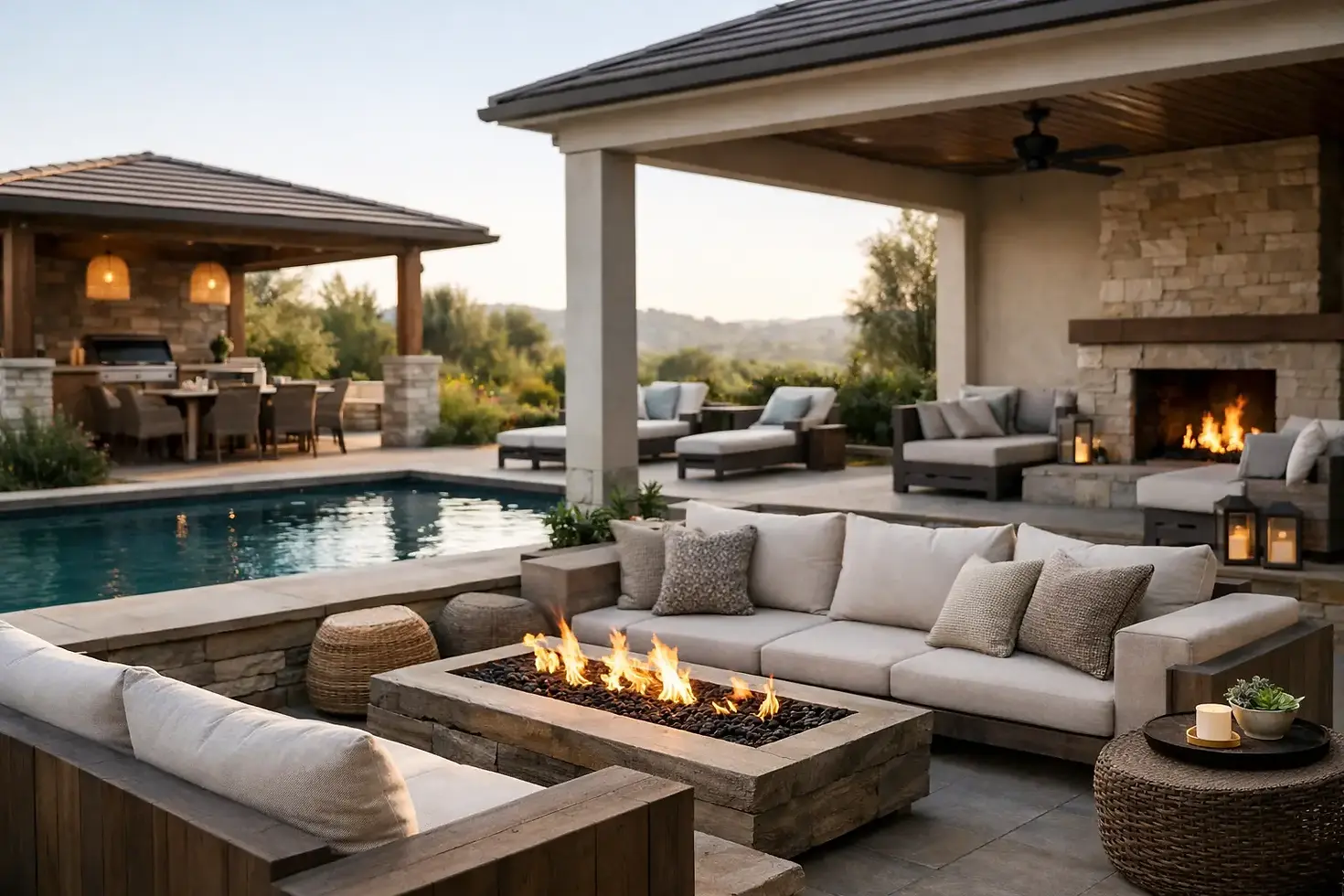
The most lasting trend is not one material or color. It is the move away from isolated backyard elements and toward complete outdoor experiences. Instead of building a deck over here and placing a fire pit over there, homeowners are thinking in zones that work together.
That might mean a dining terrace just off the kitchen, a lounge area anchored by a fire feature, softer landscape edges that frame the space, and lighting that keeps everything usable well into the evening. When these areas are designed as one composition, the yard feels larger and more effortless. It also feels more like an extension of the home, which is exactly what many homeowners have been missing.
There is a practical benefit here too. A unified plan usually leads to better traffic flow, stronger visual balance, and fewer expensive revisions later. The trade-off is that it requires more thought upfront. Homeowners who want the best result are often better served by designing the whole environment first, even if construction happens in phases.
Spaces are getting more personalized
The era of one-size-fits-all outdoor projects is fading fast. Design-conscious homeowners are less interested in copying a showroom look and more interested in building around their actual routines.
A family with young kids may need open lawn transitions, durable materials, and spaces where adults can gather while still keeping an eye on play. Empty nesters may prioritize low-maintenance planting, a generous dining area, and a water feature that softens the atmosphere. Homeowners who entertain often might care most about a kitchen, bar seating, and ambient lighting that makes the space feel warm after dark.
This is where good design separates itself from standard construction. A beautiful patio is nice. A backyard that supports how you relax, host, celebrate, and recharge is something else entirely.
Comfort is becoming non-negotiable
One of the clearest outdoor living design trends is the expectation of indoor-level comfort outside. People are no longer satisfied with a backyard that looks good only in photos. They want it to feel inviting for hours at a time.
That starts with furniture-scale thinking. Seating areas are being designed with real proportions in mind, not squeezed into leftover corners. Shade is another major factor, especially at higher elevations where the sun can be intense. Covered structures, pergolas, and thoughtfully placed plantings help create relief without making the yard feel closed in.
Fire features continue to matter for the same reason. In Colorado, they expand the season and make an evening outdoors feel easy instead of ambitious. The right fire element can become a social anchor, but scale matters. Too small, and it feels decorative. Too large, and it can dominate the space. The best choice depends on whether the goal is intimate conversation, visual drama, or a family gathering spot.
Outdoor kitchens are becoming more thoughtful
Outdoor kitchens are still highly desirable, but the trend has matured. Homeowners are moving beyond the basic built-in grill toward layouts that support the way people actually cook and entertain.
That could include prep space, refrigeration, storage, serving areas, and seating that invites conversation without crowding the cook. In many backyards, the most successful kitchen is not the largest one. It is the one placed in the right relationship to the house, dining area, and lounge space.
There is always a balance to strike. A fully appointed outdoor kitchen can be a strong lifestyle upgrade, but not every homeowner needs every appliance. If you mostly grill on weekends and host a few larger gatherings each season, a streamlined layout may serve you better than a sprawling setup filled with features that rarely get used. Thoughtful restraint often feels more luxurious than overbuilding.
Natural materials still lead, but with a cleaner finish
Homeowners continue to gravitate toward materials that feel grounded in the landscape. Stone, wood tones, textured concrete, and composite decking with a more natural appearance are all part of that direction. What is changing is how they are being combined.
The newer look is less rustic for the sake of rustic. It is more edited, more architectural, and often a little quieter. Clean lines are pairing with organic texture. Neutral palettes are doing more work than high-contrast color schemes. The effect is elevated but not cold.
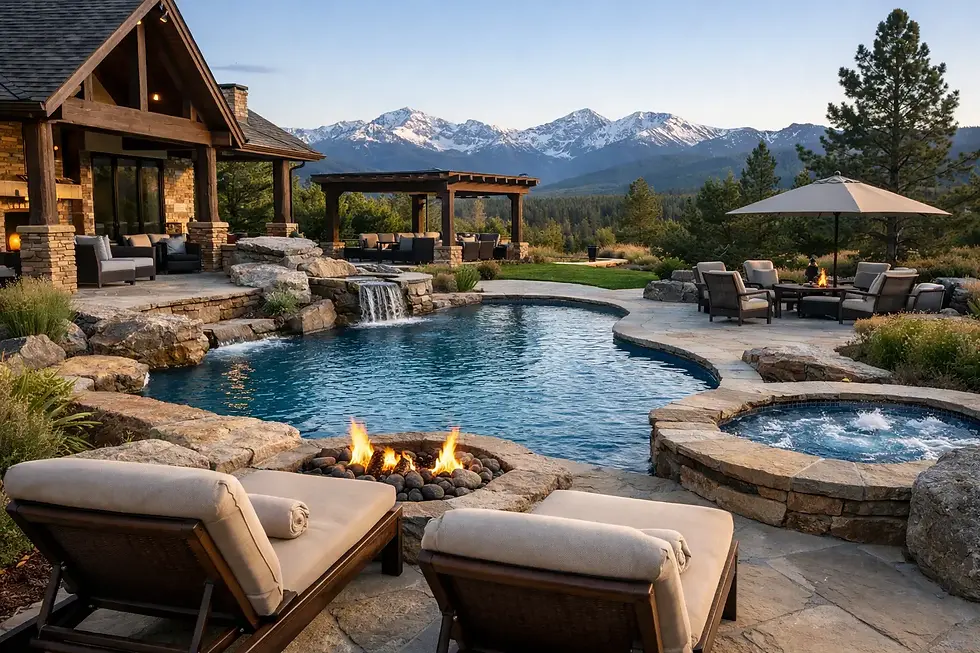
This approach works especially well in Colorado, where the surrounding scenery already brings so much character. A backyard does not need to compete with mountain views or mature trees. It should frame them. Materials that age well and sit comfortably within the site usually deliver more lasting value than anything overly trendy.
Lighting is finally being treated as design, not an afterthought
A beautiful yard can disappear the moment the sun goes down if lighting has not been considered properly. One of the best shifts in recent years is the move toward layered landscape lighting that supports both function and mood.
Path lights improve safety, of course, but the real transformation happens when subtle illumination is used to shape the entire evening experience. Soft light under steps, gentle highlights on stonework, carefully lit plantings, and warm accents near seating areas can make the whole property feel settled and welcoming.
Good lighting should not shout. It should make the space feel finished. It also extends usability in a very real way. Homeowners who invest in outdoor living often want to enjoy it after dinner, after the kids are inside, or during those quiet hours when the yard becomes a retreat rather than a gathering place.
Water and movement are returning to backyard design
After years of all-hardscape layouts, there is renewed interest in bringing softness and sensory experience back into outdoor spaces. Water features, koi ponds, and planted edges are becoming more desirable because they change how a yard feels, not just how it looks.
The sound of moving water can soften neighborhood noise and create an immediate sense of calm. Planting design can add privacy, seasonal variation, and a feeling of enclosure that makes larger yards more intimate. These elements are especially effective when they are integrated from the beginning rather than added later as decoration.
This does come with maintenance considerations, and that matters. Water features and layered landscapes need care to stay beautiful. For homeowners who value a polished result year-round, planning for seasonal service is part of protecting the investment, not an extra.
The smartest trend is designing for all seasons
In Colorado, the most successful outdoor spaces are the ones that account for changing weather from the start. This may be the most important trend of all because it shapes whether a yard gets used occasionally or consistently.
That means thinking about sun exposure, wind, shade, drainage, lighting, and warmth as part of the design process rather than solving those issues later. It also means selecting materials and features that hold up beautifully through seasonal shifts.
At Amber Creek Design, this is where craftsmanship and planning make a visible difference. A well-designed backyard should feel just as intentional on a cool fall evening as it does on a summer afternoon. When every choice supports that goal, the space stops being a project and starts becoming part of family life.
The outdoor spaces that age best are not the ones chasing every new idea. They are the ones built around real habits, thoughtful materials, and a clear vision for how home should feel. If you are considering changes to your backyard, the most useful question is not which trend is hottest right now. It is which choices will still feel right when you are out there on an ordinary Tuesday, coffee in hand, grateful you finally made the yard worth using.


Comments