

Outdoor Living Space Planning Guide
- Amber Creek Design

- Jun 1
- 6 min read
A backyard usually tells the truth about how a home is being used. If the grill is tucked in a corner, the patio feels disconnected from the house, and everyone ends up indoors by sunset, the space is not really supporting daily life. A strong outdoor living space planning guide starts there - not with materials or trends, but with the way you want to spend time at home.
The most successful outdoor spaces do more than add square footage outside. They make morning coffee feel calmer, family dinners easier, and weekends more inviting. In Boulder County, where views, seasons, and lifestyle all play such a visible role, thoughtful planning matters even more. A beautiful space that ignores wind, sun, grade changes, or how your family actually lives will never feel complete.
Start with life, not features
Many homeowners begin with a wish list: a fire pit, a built-in grill, a bigger patio, better lighting. Those may all belong in the final design, but they should not be the starting point. The better question is how you want the space to feel and function from one part of the day to the next.
Maybe you picture a quiet seating area for coffee before the house wakes up. Maybe you host summer dinners and need guests to move easily between the kitchen and the backyard. Maybe your children need room to play while adults gather nearby, or maybe the goal is a more peaceful retreat now that the house is entering a different stage of life. Those answers shape layout in a way no product list can.
This is often the difference between a yard with attractive elements and one that feels like a true extension of the home. When the planning begins with routines, habits, and atmosphere, each feature has a reason to be there.
An outdoor living space planning guide for layout that works
Good layout is what makes an outdoor space feel natural. It is also where many yards fall short. A deck may be large enough, but still feel awkward because it does not connect to the door people actually use. A patio may be beautifully finished, but if it has no shade in late afternoon, it stays empty for half the summer.
The first planning decision is circulation. Think about how people move from indoors to outdoors and from one backyard area to another. Dining should feel convenient to the kitchen. Lounge seating should not interrupt the path to the lawn. Cooking areas need enough room to function without turning the host into a bottleneck. If you are including multiple zones, each one should feel distinct without feeling isolated.
Elevation matters too, especially in Colorado landscapes where grades can shift quickly. A change in level can create a sense of destination and definition, but too many transitions can make a yard feel fragmented. The right design uses structure to guide movement and create visual balance without making the space harder to use.
This is where professional planning earns its place. The goal is not to fit as many elements as possible. It is to make the entire environment feel coherent.
Think in zones, but keep the experience connected
Most well-designed backyards include a few clear zones: dining, lounging, cooking, and often a focal area such as a fire feature or water element. The mistake is treating those zones as separate projects.
A better approach is to think of them as chapters in the same experience. A family dinner may begin at the outdoor kitchen, move to a dining space, and end around a fire pit under soft lighting. The transitions between those moments matter just as much as the individual features.
Materials, sightlines, and spacing all help create that connection. When a patio surface flows naturally into a seating area, or when lighting gently ties one zone to another, the yard feels intentional rather than pieced together over time. That sense of unity is what makes the finished space feel elevated.
Plan for Colorado conditions, not just pretty weather
An outdoor space in Boulder County has to do more than look good in June. It should hold up through sun exposure, temperature swings, shoulder-season evenings, and the practical realities of wind, snow, and drainage.
That affects both comfort and longevity. Shade placement is a good example. In one yard, full afternoon sun may be welcome near a pool or lounge space. In another, it can make dining unpleasant. Wind exposure may change where a fire feature belongs or whether a more sheltered seating area makes sense. Drainage may influence the shape and construction of a patio more than homeowners expect.
Material selection belongs in this conversation too. Premium materials are not simply about appearance. They help outdoor spaces age better, require less corrective work, and maintain the finished look that made the project worthwhile in the first place. There are always trade-offs. Some materials feel warmer and more natural, while others offer lower maintenance. The right choice depends on how you live and how much upkeep you want to take on.
Let the house lead the design
The most memorable outdoor spaces feel like they belong to the home, not like they were added beside it. That means architecture should guide decisions early.
A modern home may call for cleaner lines, restrained materials, and crisp lighting. A more traditional property may feel better with richer textures, softer transitions, and layered planting. Scale matters here as well. A sprawling backyard can support larger gestures, while a smaller property may need more careful editing to avoid visual clutter.
Color, hardscape textures, and structural details should all feel related to the home’s character. When they do, the outdoor space expands the identity of the property. When they do not, even expensive additions can feel disconnected.
Lighting changes everything after sunset
One of the most overlooked parts of any outdoor living space planning guide is what happens at night. Homeowners often focus on daytime use, then realize later that the space disappears after dusk.
Thoughtful landscape lighting extends the life of the yard and changes the mood completely. Steps become safer, pathways easier to navigate, and seating areas more inviting. Architectural elements gain depth. Plantings become part of the atmosphere instead of vanishing into shadow.
Just as important, lighting supports the emotional rhythm of the space. Bright utility lighting has its place around cooking areas, but lounge spaces usually benefit from a softer, warmer glow. The right plan layers those effects rather than treating the entire yard the same way.
Water, fire, and the value of a focal point
A backyard does not need every luxury feature to feel special. It usually needs one meaningful focal point.
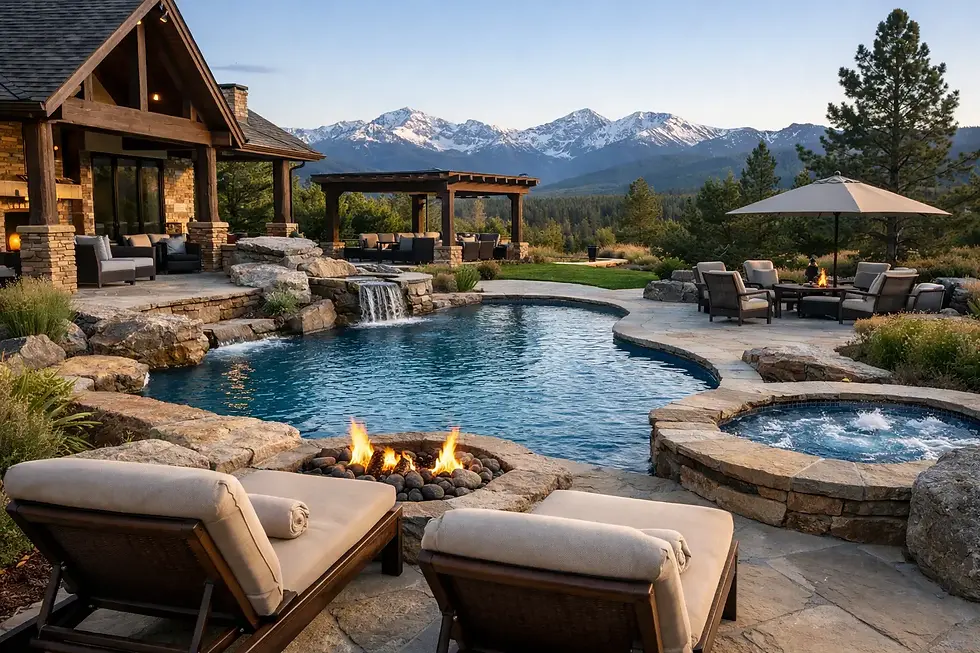
For some homes, that is a fire feature that draws people together on cool evenings. For others, it may be a water feature or koi pond that softens the sound of the yard and creates a more peaceful atmosphere. The point is not excess. The point is giving the space a center of gravity.
This is another place where restraint matters. If a yard already has dramatic views, a quieter focal element may be the better choice. If the property feels exposed or lacks a natural centerpiece, a stronger feature can create identity. Good planning responds to what the space needs, not what happens to be popular.
Build for the next ten years, not just this summer
The smartest backyard investments are made with a longer horizon in mind. Families change. Children grow. Entertaining styles shift. What feels ideal today should still feel useful and beautiful years from now.
That does not mean trying to predict every future need. It means creating a flexible foundation. A generous dining area can host both weeknight meals and larger gatherings. Built-in elements can reduce clutter and improve flow. Seasonal enhancements and ongoing care help protect the original vision so the space continues to perform well over time.
This long-view mindset is part of what separates a design-build process from a basic construction project. At Amber Creek Design, that planning is centered on the experience homeowners want to create, with craftsmanship and material choices that support it season after season.
A well-planned outdoor space should make your home feel larger, calmer, and more alive to the way you actually live. If the design is right, you will not just admire it from inside. You will find yourself stepping out more often, staying longer, and building more of life around it.


Comments