

Do Outdoor Kitchens Increase Home Value?
- Amber Creek Design

- May 30
- 6 min read
A built-in grill tucked against the house might look impressive in a listing photo, but that alone does not answer the real question: do outdoor kitchens increase home value? In Boulder County, the better answer is that they can - sometimes significantly - when they are designed as part of a complete outdoor living experience and built to match the home, climate, and way the owners actually live.
That distinction matters. Homeowners rarely invest in an outdoor kitchen for resale alone. They do it because they want summer dinners outside, easier entertaining, and a backyard that feels as finished and intentional as the interior of the home. The value comes from both sides: the life you enjoy now and the appeal a future buyer sees later.
Do outdoor kitchens increase home value in Colorado?
In many cases, yes, but not in a simple dollar-for-dollar way. An outdoor kitchen can make a property more desirable, more memorable, and more aligned with the lifestyle buyers expect in premium Colorado neighborhoods. That desirability may support a stronger sale price, help a home sell faster, or set it apart from similar listings with plain patios and unused yard space.
In Boulder, Louisville, and nearby communities, outdoor living carries real weight. Buyers are not only shopping for square footage inside the house. They are paying attention to how the property supports gathering, relaxing, and enjoying Colorado’s climate. A backyard with a well-planned kitchen, dining area, lighting, and circulation often feels like added living space, even if it is not counted the same way by an appraiser.
Still, value depends on execution. A beautiful, durable outdoor kitchen that feels integrated with the home can raise perceived property value. A pieced-together setup with mismatched finishes or poor placement may add less than expected, and in some cases become a maintenance concern rather than a selling point.
What actually drives value
The biggest factor is not the grill itself. It is whether the outdoor kitchen feels like it belongs.
When the materials echo the architecture of the home, the layout makes entertaining easy, and the space connects naturally to a patio, deck, or seating area, buyers see a finished environment instead of a backyard accessory. That is where value tends to grow. The kitchen becomes part of a destination-making space, one that suggests family dinners outside, weekend celebrations, and everyday comfort.
Quality also matters more than size. A modest but beautifully built kitchen with stonework that complements the home, weather-ready cabinetry, thoughtful counter space, and proper lighting will usually outperform an oversized installation that feels excessive or awkward. Premium buyers notice craftsmanship. They notice whether the details were considered. They notice whether the space feels calm and usable.
There is also a practical side. In Colorado, durability is part of the value conversation. Freeze-thaw cycles, sun exposure, wind, and seasonal shifts can be hard on outdoor materials. A kitchen built with the right surfaces, appliances, drainage, and placement is more likely to hold its appeal over time. Buyers may not use the term building envelope, but they absolutely recognize when something looks solid, permanent, and well cared for.
Why some outdoor kitchens add more than others
Two outdoor kitchens can have the same appliances and very different results.
One sits at the far edge of the yard, disconnected from the house, with no shade, no nearby dining area, and no real reason to linger. The other is placed where the cook can still be part of the conversation, where guests can move easily between indoor and outdoor spaces, and where lighting extends the evening naturally. The second one feels valuable because it improves how the property lives.
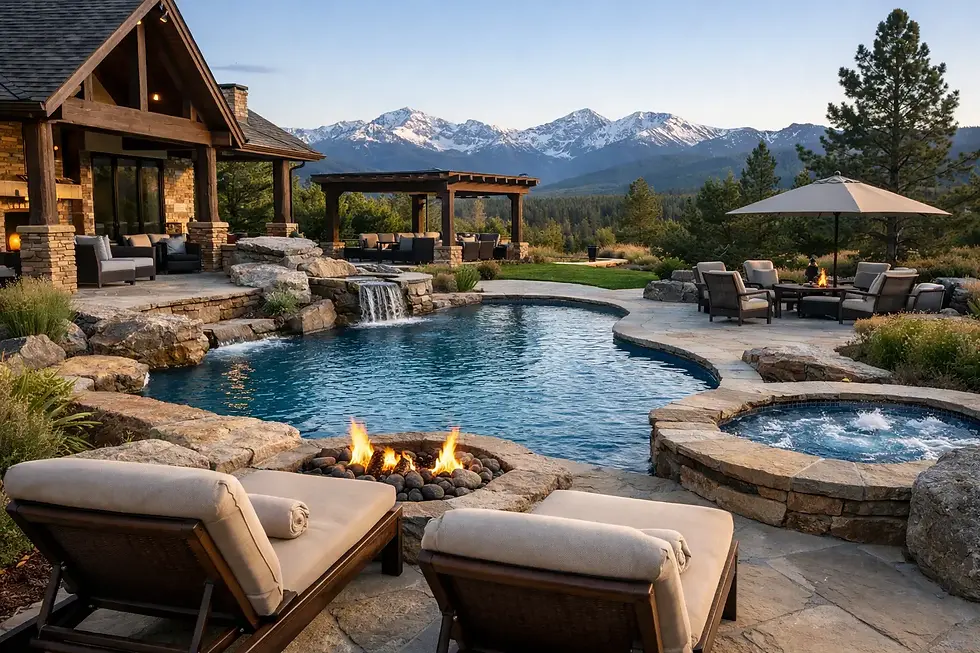
That is why design matters so much. The strongest return usually comes when the kitchen is part of a larger composition that may include a patio, pergola, fire feature, landscape lighting, or well-defined seating areas. Buyers respond to spaces that tell a complete story. They can picture themselves using them right away.
This is also where high-end homes have an advantage. In more elevated price ranges, buyers often expect outdoor amenities to match the finish level of the interior. A thoughtful kitchen can reinforce that sense of continuity. It tells them the home has been cared for with intention, not just upgraded for effect.
The trade-offs homeowners should know
The question is not simply whether an outdoor kitchen adds value. It is whether it adds the right kind of value for your property.
If the installation is overbuilt for the neighborhood, the return may be softer. A luxury setup with every possible appliance may be wonderful to own, but not every market rewards those extras equally. Beverage stations, pizza ovens, side burners, refrigeration, and custom storage all have lifestyle value, yet resale value often comes more from overall design quality than from an ever-longer feature list.
There is also the issue of maintenance. Buyers love spaces that look easy to enjoy. They get more cautious when a backyard appears complicated to maintain or vulnerable to weather. That does not mean you should avoid investing. It means the design should be smart, durable, and appropriate to the setting.
Budget matters too. Outdoor kitchens rarely deliver a perfect one-to-one financial return, and that should not be the only lens. The strongest projects blend daily enjoyment with future market appeal. If you plan to stay in your home for years, the meals, gatherings, and quiet evenings the space creates may be just as meaningful as resale.
How to design for lifestyle and resale
If resale is part of your thinking, the best move is to design for real life first. Buyers are attracted to spaces that feel authentic, not staged.
A useful outdoor kitchen starts with flow. It should be close enough to the house to feel convenient, but planned carefully enough that smoke, heat, and traffic do not interfere with comfort. It should include enough prep and serving space to make outdoor cooking feel effortless. And it should support how people gather, because no one wants the cook isolated in a far corner of the yard.
Visual cohesion is just as important. The hardscape, finishes, and built elements should relate to the home’s architecture and the surrounding landscape. In Boulder County, where the scenery is part of daily life, the best outdoor spaces feel grounded in place. They work with the views, the light, and the seasonal rhythm of the property rather than competing with them.
It also helps to think beyond the kitchen itself. A grill island with nowhere comfortable to sit will not land the same way as a complete entertaining zone. When dining, lounging, lighting, and circulation are resolved together, the backyard begins to feel like a true extension of the home.
That is the philosophy Amber Creek Design brings to outdoor living projects. The goal is never to place a feature in the yard and call it finished. It is to create an environment that supports the way a family relaxes, hosts, celebrates, and spends time together.
Features buyers tend to appreciate most
Not every upgrade carries equal weight. Buyers generally respond best to features that make the space more usable and more comfortable rather than simply more expensive.
A built-in grill, durable counters, and enough storage for essentials can go a long way. Good lighting matters because it makes the space functional after sunset and adds polish to the yard as a whole. Shade elements, whether architectural or landscape-based, increase comfort during bright summer afternoons. Nearby seating and dining areas help the kitchen feel purposeful rather than ornamental.
Utility access is another quiet value driver. When a kitchen has been professionally planned with proper gas, electric, and drainage considerations, buyers sense that the project was done the right way. They may not see every technical choice, but they feel the difference in how complete the space appears.
So, is it worth it?
For many homeowners, yes. Not because every outdoor kitchen guarantees a dramatic jump in appraised value, but because a well-designed one can strengthen both personal enjoyment and market appeal. It can turn a yard into one of the most compelling parts of the property. It can help buyers remember your home. And while you live there, it can reshape ordinary evenings in a way few upgrades do.
The best approach is to stop thinking of the outdoor kitchen as a standalone product and start seeing it as part of a larger living environment. When the design is thoughtful, the craftsmanship is lasting, and the space fits the home naturally, value tends to follow.
If you are considering one for your property, think beyond resale math. Picture the early dinner with the doors open, the long table full of friends, the kids moving in and out of the yard, the quiet glass of wine after sunset. When an outdoor kitchen is built around those moments, it usually becomes valuable long before the home ever goes on the market.


Comments